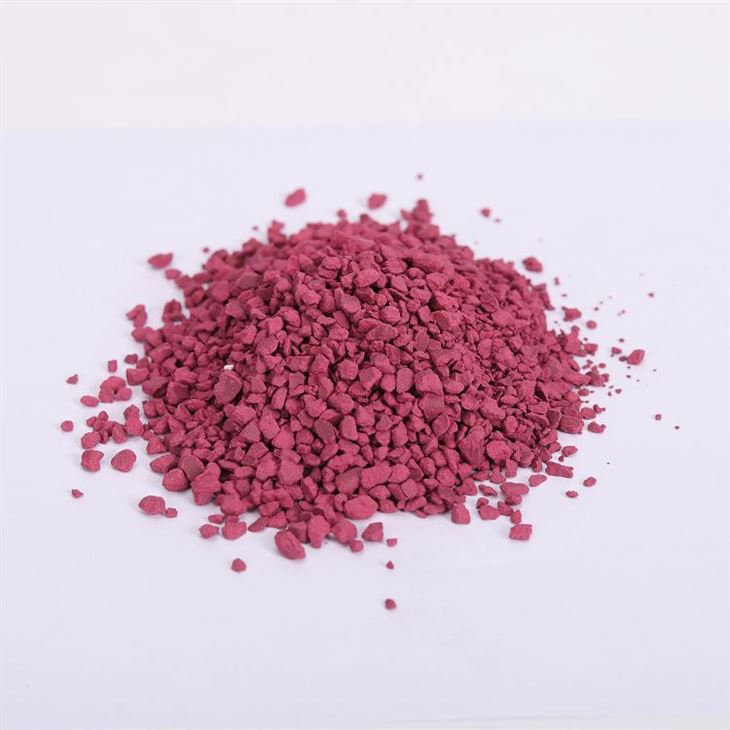
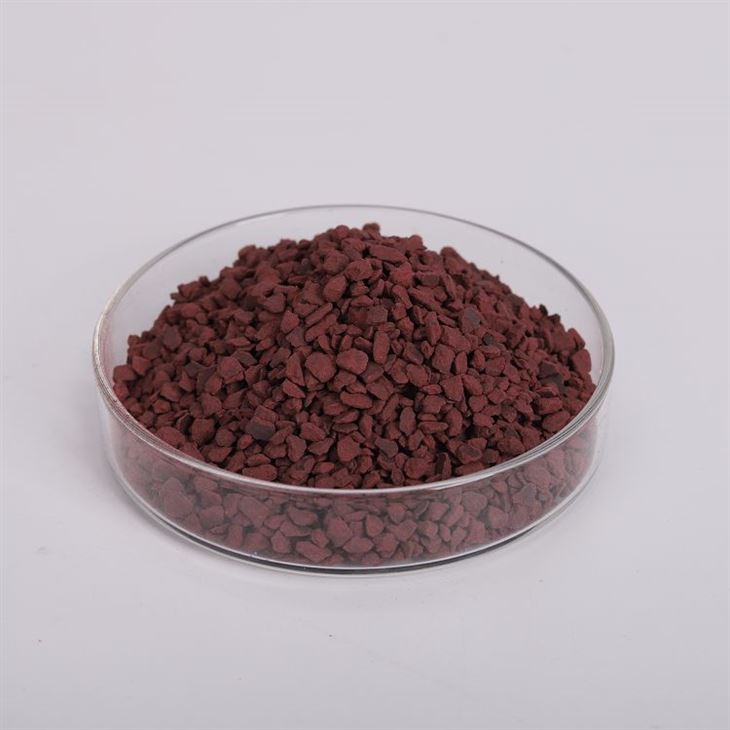
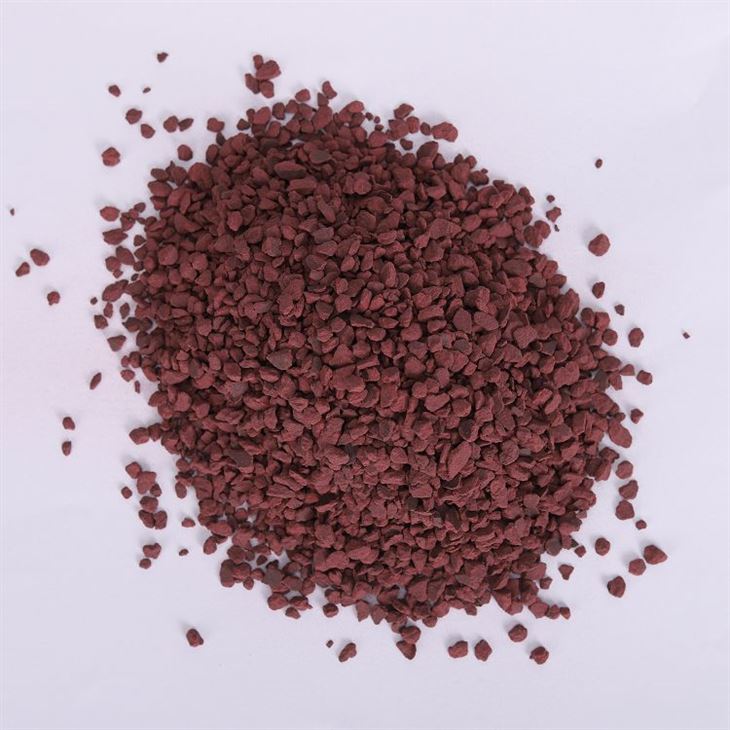
When the formaldehyde/phenol (molar ratio) is less than 1, a thermoplastic product can be obtained, called a thermoplastic phenolic resin, that is, a novolak phenolic resin, which does not contain further polycondensation groups, and can be cured by adding a curing agent and heating. For example, using hexamethylenetetramine as the curing agent, the curing temperature is 150 ℃, and the molding powder mixed with filler is commonly known as bakelite powder. When the formaldehyde/phenol (molar ratio) is greater than 1, the first-stage resin, that is, the thermosetting phenolic resin, can be obtained under alkali catalysis, which can be dissolved in organic solvents. It can be cured by adding curing agent: the B-stage resin is obtained by reaction under heating, also known as semi-soluble phenolic resin, which is insoluble and infusible but swellable and softened After further reaction, an insoluble and infusible body structure C-stage resin, also known as insoluble phenolic resin, is obtained. The resin in stage A can also be cured by itself for a long time.
The curing form of thermosetting phenolic resin is divided into room temperature curing and thermal curing. Normal temperature curing can use non-toxic normal temperature curing agent NL, or benzenesulfonyl chloride or petroleum sulfonic acid, but the latter two materials are more toxic and irritating.
Condensation products of phenols and aldehydes are commonly known as phenolic resins, and generally refer to synthetic resins obtained by polycondensation reaction of phenol and formaldehyde. It is the earliest type of thermosetting resin.
Although phenolic resin is the oldest type of thermosetting resin, but because of its easy availability of raw materials and easy synthesis, and phenolic resin has good mechanical strength and heat resistance, especially with outstanding transient high temperature ablation resistance, and the resin itself There is room for extensive modification, so phenolic resins are still widely used in the manufacture of glass fiber reinforced plastics, carbon fiber reinforced plastics and other composite materials. Phenolic resin composite materials are particularly important in the aerospace industry (space vehicles, rockets, missiles, etc.) as structural materials that are resistant to high temperature and ablation instantaneously.
Phenolic resin synthesis and curing process completely follow the law of body polycondensation reaction. By controlling different synthesis conditions (such as the ratio of phenol and aldehyde, the type of catalyst used, etc.), two different types of phenolic resins can be obtained: one is called thermosetting phenolic resin, which is a kind of activity containing methylol groups that can be further reacted. If the resin is not controlled, the polycondensation reaction will continue until the formation of an infusible and insoluble cured resin with a three-way network structure, so this type of resin is also called a first-order resin; another type It is called thermoplastic phenolic resin. It is a linear resin. It does not form a three-way network structure during the synthesis process. In the further curing process, a curing agent must be added. This type of resin is also called a second-order resin. These two types of bakelite powder are thermosetting materials and general thermoplastic materials are not the same, he has excellent distinction and thermoplastic properties.
| Feedback |
|
|